
+92306 3026 466
What Is Zero-Click Search and How to Optimize for It?
Summarize this post
A zero click search happens when a user gets their answer directly on the search results page through featured snippets, AI Overview, knowledge panels, or People Also Ask boxes without ever clicking through to a website. These searches now make up a significant share of all Google queries, which means brands need to shift strategy: instead of only optimizing for clicks, you also need to optimize for visibility within the search results themselves, since being the source Google displays still builds trust and brand recognition even without a click.
If your traffic numbers look flat despite ranking well, zero-click search might be the reason. Google is answering more questions directly on the results page than ever before, especially with AI Overview now appearing above traditional listings. This isn’t necessarily bad news it just means the goal of SEO is expanding. In this guide, we’ll explain what zero-click search really means and how to adapt your content strategy to stay visible even when users don’t click.
What Is Zero-Click Search?
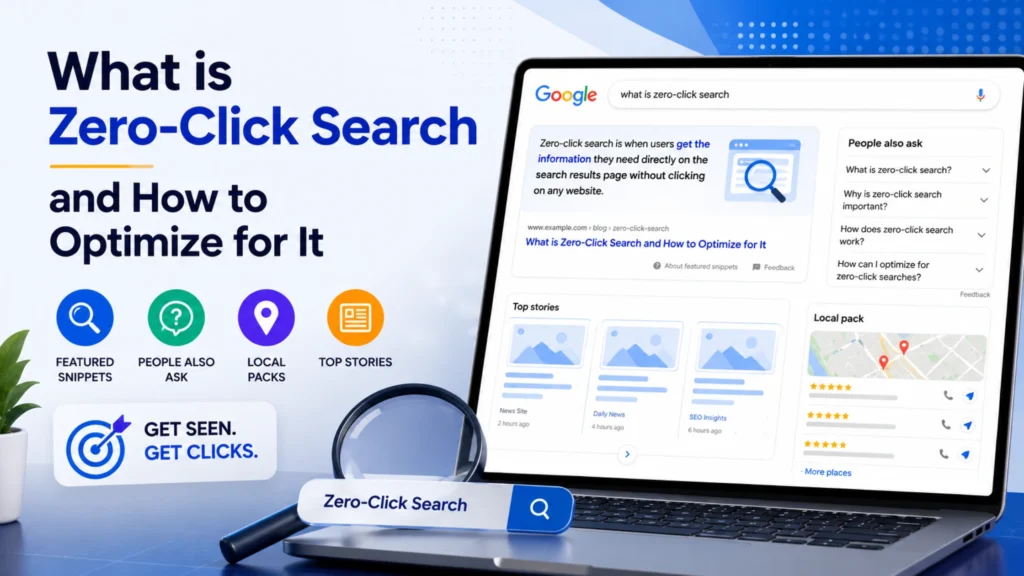
Zero-click search refers to any search query where the user finds their answer directly on the search engine results page (SERP) without visiting an external website. This happens through several SERP features:
- Featured snippets: A highlighted answer box pulled from a webpage, shown above regular results
- AI Overview: Google’s AI-generated summary that synthesizes information from multiple sources
- Knowledge panels: Fact boxes showing information about people, places, or entities
- People Also Ask: Expandable question boxes related to the search query
- Local packs: Map-based results for local business queries
Essentially, Google is answering the question for the user, right there in the results page no click required.
Why Zero-Click Searches Are Increasing
Zero-click search isn’t a new phenomenon, but it’s accelerated sharply with the rise of AI-powered search experiences. A few key reasons behind this shift:
1. Google Wants to Keep Users on Its Platform
Every SERP feature that answers a query directly keeps users engaged with Google rather than sending them elsewhere. This benefits Google’s ad revenue and user retention.
2. AI Overview Synthesizes Multiple Sources
Instead of showing a single snippet from one website, AI Overview pulls and combines information from several sources into one cohesive answer, further reducing the need to click through.
3. Users Prefer Fast Answers
For simple, factual queries, like conversions, definitions, or quick facts users generally want an instant answer, not a full article. Search engines have adapted to meet that expectation.
4. Voice Search and Mobile Behavior
Voice assistants and mobile search almost always rely on zero-click formats, since reading out or displaying one direct answer is far more practical than listing multiple links.
Is Zero-Click Search Bad for SEO?
Not entirely, it depends on how you look at it. Yes, zero-click searches can reduce click-through rates for certain informational queries. But there’s a flip side:
- Brand visibility still counts: Even without a click, appearing in a featured snippet or AI Overview builds brand recognition and trust similar to a billboard effect.
- It often drives higher-quality traffic: Users who do click through after seeing a snippet are usually further along in their research, which can lead to better engagement.
- It rewards well-structured, authoritative content: Google pulls zero-click answers from sources it trusts, which ties directly into topical authority and E-E-A-T signals.
Rather than fighting zero-click search, the smarter approach is optimizing your content to win these placements even if that specific click doesn’t happen, the visibility and trust it builds pays off elsewhere in your funnel.
How to Optimize for Zero-Click Search
1. Target Featured Snippets Directly
Featured snippets remain one of the most common zero-click formats. To increase your chances:
- Answer the target question clearly within the first 40–60 words of a section
- Use concise formatting numbered lists, bullet points, or short paragraphs
- Structure content with clear H2/H3 headings that match common search queries
2. Use FAQ and HowTo Schema Markup
Structured data helps search engines and AI systems accurately pull your answers into snippets and AI Overview. FAQ schema is especially effective for question-based content, since it directly mirrors the format Google favors for zero-click results.
3. Answer Questions Early and Clearly
Don’t bury the answer under long introductions. Lead with a direct, concise response to the main question, then expand with supporting details afterward this format is exactly what AI Overview and snippet algorithms are designed to extract.
4. Optimize for “People Also Ask”
Research related questions users commonly ask around your topic and address them within your content using clear subheadings. This increases your chances of appearing across multiple related zero-click boxes, not just one.
5. Build Topical Authority
Google tends to pull zero-click answers from sources it already trusts as authoritative on a subject. Publishing comprehensive, well-interlinked content around a core topic increases the likelihood that your pages become the “go-to” source Google selects.
6. Strengthen E-E-A-T Signals
Since zero-click placements often represent Google’s most trusted answer for a query, sites with strong author credibility, accurate information, and transparent sourcing have a better chance of being selected both for traditional snippets and AI-generated summaries.
7. Focus on Bottom-of-Funnel Content Too
Balance your content strategy while top-of-funnel informational content is more prone to zero-click behavior, product comparisons, reviews, and decision-stage content still drive clicks, since users need more detail before taking action.
How to Measure Zero-Click Impact on Your Site
Traditional click-through data alone won’t show the full picture. Instead, track:
- Impressions vs. clicks in Google Search Console a rising impression count with flat clicks can indicate strong zero-click visibility
- Featured snippet ownership using rank tracking tools
- Branded search growth over time, which often increases after repeated zero-click visibility
- AI Overview appearances, where available through emerging AI visibility tracking tools
At CodeFyze, we encourage clients to treat impressions and snippet visibility as legitimate success metrics now, not just clicks since brand exposure through zero-click placements often supports long-term growth even when it doesn’t show up as direct traffic.
Final Thoughts
Zero-click search isn’t going away if anything, it’s becoming the default way many users interact with search engines, especially with AI Overview expanding across more query types. Instead of viewing it as lost traffic, treat it as a visibility opportunity: the brands that consistently show up in featured snippets, People Also Ask, and AI-generated summaries are the ones building long-term trust and authority in their space.
The key is structuring content clearly, answering questions directly, and reinforcing topical authority something CodeFyze builds into every content strategy, since the brands that win zero-click visibility today are often the ones that earn clicks and conversions tomorrow.
On this page
Related Topics
< FAQS >
No Confusion. Just Clarity.
Get quick, clear answers to everything you need to know about working with us.
- What is a zero-click search?
A zero-click search is a search where users get the answer directly on the search results page through AI Overviews, featured snippets, or knowledge panels, without visiting a website.
- Why are zero-click searches increasing?
Zero-click searches are growing because Google increasingly displays AI-generated answers, featured snippets, and other SERP features that provide instant information without requiring a click.
- How do I rank for zero-click search results?
To rank for zero-click searches, answer questions clearly at the beginning of your content, use descriptive headings, add FAQ and Schema markup, and create content that directly matches search intent.
- Does zero-click search hurt SEO traffic?
Zero-click searches can reduce clicks for simple queries, but they also increase brand visibility, authority, and trust by featuring your content in AI Overviews and featured snippets.
- What are the main types of zero-click search results?
The main zero-click search results include AI Overviews, featured snippets, People Also Ask (PAA), knowledge panels, and local map packs, all of which display answers directly in search results.
- How can I track zero-click search performance?
Track zero-click performance using Google Search Console by monitoring impressions, clicks, and CTR, while using SEO tools to track featured snippets, AI Overview visibility, and branded search growth.

Related Blog Posts
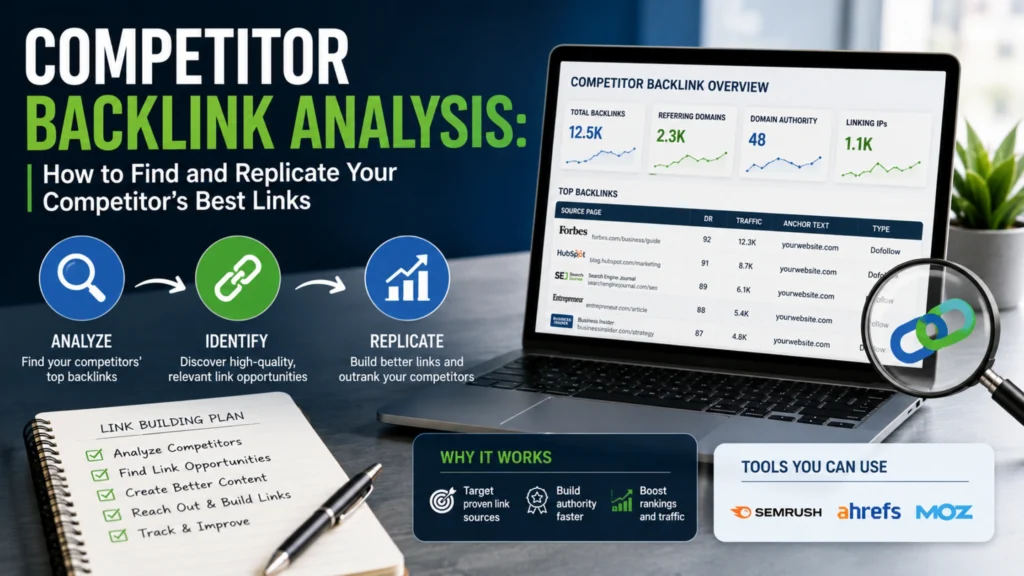
Competitor Backlink Analysis: How to Find and Replicate Your Competitor’s Best Links
Competitor backlink analysis is the process of studying where your competitors get their backlinks from…

CodeFyze
July 30, 2026
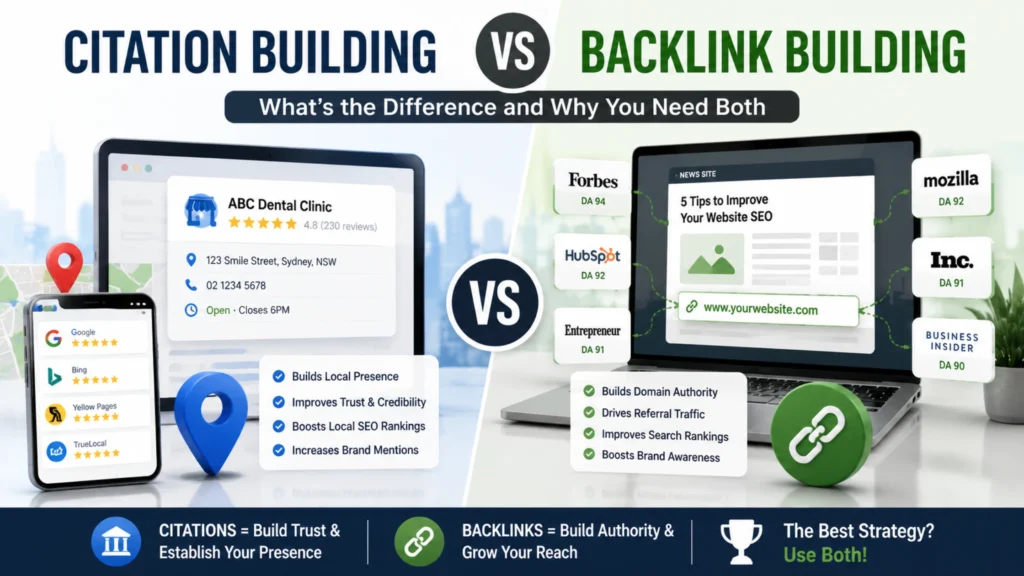
Citation Building vs Backlink Building: What’s the Difference and Why You Need Both
Citation building involves listing your business’s name, address, and phone number (NAP) consistently across online…
CodeFyze
July 29, 2026
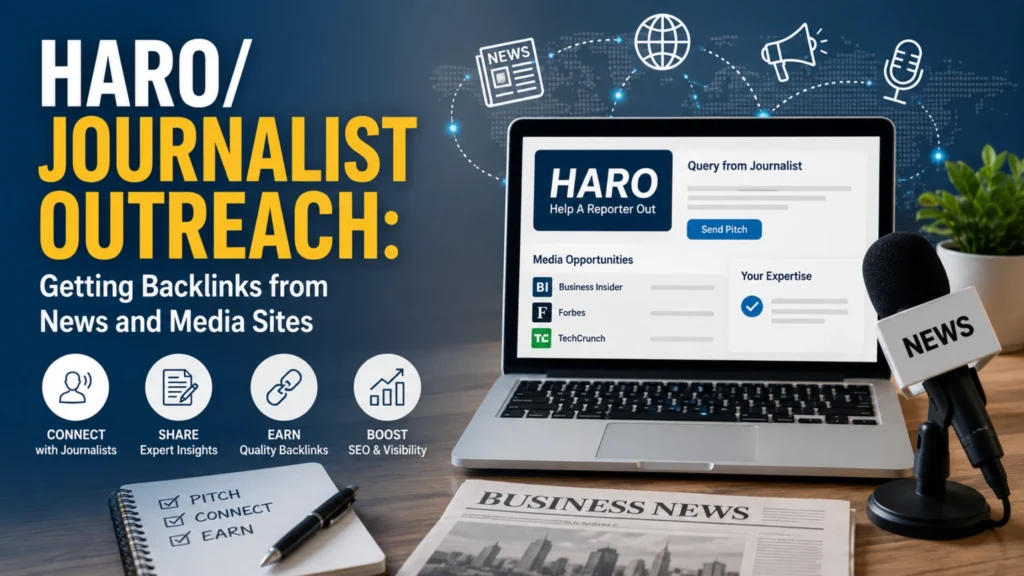
HARO/Journalist Outreach: Getting Backlinks from News and Media Sites
HARO link building is the process of earning high-authority backlinks by responding to journalist queries…
CodeFyze
July 29, 2026
Questions? Reach us on Whatsapp +971 55 265 4401 Or Email info@codefyze.com
Questions? Reach us on Whatsapp +44 798 504 1813 Or Email info@codefyze.com
< recent blogs >
Latest Insights & Articles
Explore our latest articles, tips, and insights all in one place.
#BacklinkAnalysis, #CodeFyze, #CompetitorSEO, #DigitalMarketing, #LinkBuilding, #OffPageSEO, #SemrushSEO, #SEOStrategy, #SEOTools
Competitor Backlink Analysis: How to Find and Replicate Your Competitor’s Best Links
Competitor backlink analysis is the process of studying where your competitors get their backlinks from…

CodeFyze
July 30, 2026
#BacklinkBuilding, #CitationBuilding, #CodeFyze, #DigitalMarketing, #GoogleBusinessProfile, #LocalSEO, #NAPCitations, #SEOStrategy
Citation Building vs Backlink Building: What’s the Difference and Why You Need Both
Citation building involves listing your business’s name, address, and phone number (NAP) consistently across online…
CodeFyze
July 29, 2026
#BacklinkStrategy, #CodeFyze, #ContentMarketing, #DigitalPR, #EEAT, #HARO, #JournalistOutreach, #LinkBuilding
HARO/Journalist Outreach: Getting Backlinks from News and Media Sites
HARO link building is the process of earning high-authority backlinks by responding to journalist queries…
CodeFyze
July 29, 2026