
+92306 3026 466
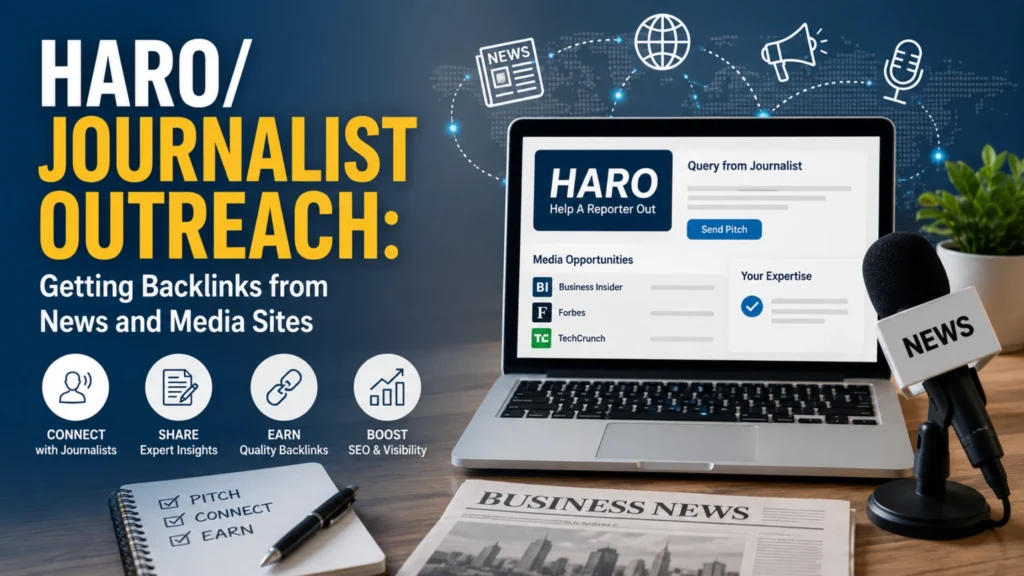
HARO/Journalist Outreach: Getting Backlinks from News and Media Sites
Summarize this post
HARO link building is the process of earning high-authority backlinks by responding to journalist queries through platforms like HARO (Help a Reporter Out) or similar media outreach tools, where reporters look for expert sources to quote in news articles. When your response gets featured, the publication typically links back to your website, resulting in a genuine, editorially earned backlink from a trusted news or media site, which carries far more SEO value than most manual or paid link-building methods.
If you’ve ever wondered how smaller brands manage to get backlinks from sites like Forbes, HubSpot, or industry news publications, HARO-style journalist outreach is usually the answer. It’s one of the few link-building methods that’s both effective and fully aligned with Google’s guidelines, since the links you earn are natural, editorial, and genuinely valuable to readers. In this guide, we’ll explain how HARO link building works and how to start earning backlinks from real journalists.
What Is HARO and How Does Journalist Outreach Work?
HARO — short for Help a Reporter Out, is a platform that connects journalists with expert sources for their stories. Journalists submit queries describing what kind of quote, data, or expert opinion they need, and professionals in relevant industries respond with insights. If a journalist uses your response, they typically credit and link back to your website in the published article.
This process falls under a broader category called digital PR link building, a strategy focused on earning backlinks through genuine media relationships and expert positioning, rather than direct link requests or paid placements.
Note: HARO has undergone platform changes and rebranding in recent years, so it’s worth checking the current active platform name and process before starting, as similar journalist-source platforms have emerged as alternatives.
Why HARO Backlinks Are So Valuable for SEO
Not all backlinks carry equal weight. Here’s why links earned through HARO backlinks and media outreach tend to be especially valuable:
1. They Come from High-Authority Domains
News websites, industry publications, and media outlets typically have strong domain authority, since they’re established, frequently cited, and trusted by users and search engines alike.
2. They’re Editorially Earned, Not Manipulated
Google’s guidelines strongly favor backlinks that are earned naturally through genuine value a journalist choosing to quote and link to you because your insight is useful is about as natural as link building gets.
3. They Reinforce E-E-A-T Signals
Being quoted in reputable media outlets doesn’t just build backlinks, it builds real-world credibility. This directly supports Google’s E-E-A-T framework (Experience, Expertise, Authoritativeness, Trustworthiness), since it demonstrates that recognized publications view you as a credible expert.
4. They Often Include Brand Mentions Beyond the Link
Even when a specific query doesn’t result in a followed link, brand mentions in reputable publications still contribute to your site’s overall authority and can indirectly support rankings through recognition and referral traffic.
How to Get Started with Journalist Outreach
1. Sign Up as a Source
Register on HARO or a similar journalist-source platform and select relevant categories that match your expertise (business, health, technology, marketing, etc.).
2. Monitor Queries Daily
Journalist queries are usually sent out multiple times a day and require quick responses since publications often work on tight deadlines. Set a routine to check new queries consistently.
3. Respond with Genuine Expertise, Not Generic Answers
Journalists receive many responses per query. Stand out by:
- Directly answering the specific question asked
- Including your credentials or relevant experience
- Keeping your response concise, quotable, and well-structured
- Avoiding overly promotional language
4. Personalize Each Pitch
Avoid copy-pasting the same response to multiple journalists. Tailor each answer to the specific publication and query context, this significantly increases your chances of being selected.
5. Follow Up Professionally (When Appropriate)
If a journalist doesn’t respond, a brief, polite follow-up is acceptable but avoid being pushy. Building long-term relationships with reporters often leads to repeat opportunities.
6. Track Your Placements
Keep a record of published mentions and backlinks earned and monitor whether they’re followed or unfollowed links using SEO tools, since both contribute differently to your visibility and authority.
Best Practices for Successful Digital PR Link Building
- Be timely Journalists work on deadlines, so fast, relevant responses win more placements
- Focus on unique insights or data, not generic advice already covered elsewhere
- Build a consistent expert profile across responses so publications recognize your credibility over time
- Diversify your outreach, don’t rely solely on one platform; explore other journalist and PR link building communities as well
- Prioritize relevance over volume one link from a highly relevant, authoritative site outweighs several from unrelated ones
Common Mistakes to Avoid
- Sending generic, copy-pasted responses to every query
- Ignoring the specific angle or context of the journalist’s request
- Being overly promotional instead of genuinely helpful
- Failing to follow submission guidelines (word count, format, deadline)
- Not tracking which pitches led to actual publications
How CodeFyze Approaches Digital PR and Journalist Outreach
At CodeFyze, journalist outreach is treated as a long-term relationship-building strategy, not a one-time tactic. Since HARO link building requires consistency and genuine expertise, the approach typically involves identifying a client’s strongest areas of authority, crafting concise expert responses, and tracking which media relationships generate the most consistent, high-quality backlinks over time.
Final Thoughts
Journalist outreach through HARO and similar platforms remains one of the most sustainable, white-hat ways to earn genuinely authoritative backlinks. It takes consistency and quick responses, but the payoff, high-authority links, brand credibility, and stronger E-E-A-T signals makes it worth prioritizing alongside your broader content and SEO strategy.
On this page
Related Topics
< FAQS >
No Confusion. Just Clarity.
Get quick, clear answers to everything you need to know about working with us.
- What is HARO in link building?
HARO link building is a digital PR strategy where businesses and experts respond to journalist requests for quotes or insights. If a journalist publishes the response, they may include a brand mention or editorial backlink, helping improve website authority and online visibility.
- What is HARO used for?
HARO is used to connect journalists with credible expert sources. Businesses use it to earn media coverage, build brand awareness, gain editorial backlinks, and establish authority by contributing expert insights to news articles and online publications.
- What is the full form of HARO?
HARO stands for Help a Reporter Out. The platform was created to help journalists find expert sources for stories while giving businesses and professionals opportunities to gain media exposure, brand mentions, and editorial backlinks.
- How do I create a HARO backlink?
To create a HARO backlink, sign up as an expert source, monitor relevant journalist queries, and submit a concise, original response before the deadline. If the journalist selects your contribution, they may publish your quote and include a link to your website.
- How do you use HARO as a source?
To use HARO as a source, create an expert profile, choose relevant industry categories, and review journalist requests regularly. Respond only to queries where you have genuine experience or expertise, and provide a clear, useful, and quotable answer.

Related Blog Posts
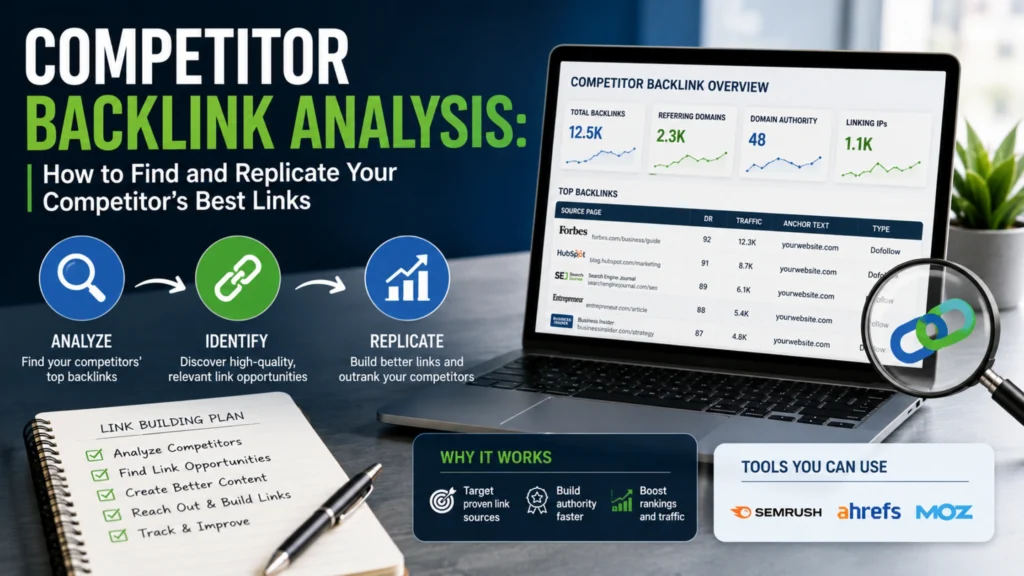
Competitor Backlink Analysis: How to Find and Replicate Your Competitor’s Best Links
Competitor backlink analysis is the process of studying where your competitors get their backlinks from…

CodeFyze
July 30, 2026
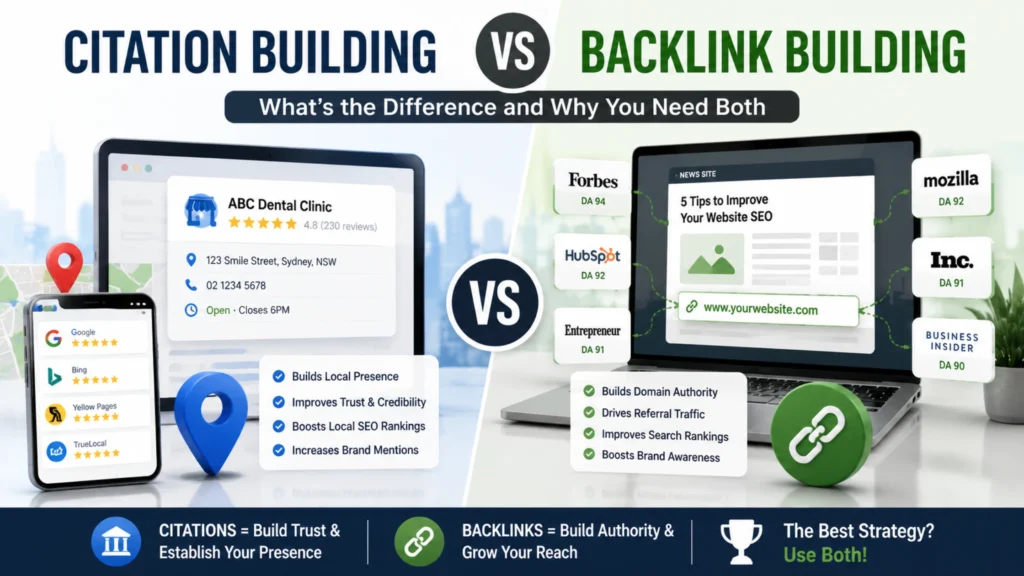
Citation Building vs Backlink Building: What’s the Difference and Why You Need Both
Citation building involves listing your business’s name, address, and phone number (NAP) consistently across online…
CodeFyze
July 29, 2026

Voice Search Optimization: Writing Content People Actually Ask Out Loud
Voice search optimization is the process of structuring your website content to match how people…
CodeFyze
July 23, 2026
Questions? Reach us on Whatsapp +44 798 504 1813 Or Email info@codefyze.com
Questions? Reach us on Whatsapp +44 798 504 1813 Or Email info@codefyze.com
< recent blogs >
Latest Insights & Articles
Explore our latest articles, tips, and insights all in one place.
#BacklinkAnalysis, #CodeFyze, #CompetitorSEO, #DigitalMarketing, #LinkBuilding, #OffPageSEO, #SemrushSEO, #SEOStrategy, #SEOTools
Competitor Backlink Analysis: How to Find and Replicate Your Competitor’s Best Links
Competitor backlink analysis is the process of studying where your competitors get their backlinks from…

CodeFyze
July 30, 2026
#BacklinkBuilding, #CitationBuilding, #CodeFyze, #DigitalMarketing, #GoogleBusinessProfile, #LocalSEO, #NAPCitations, #SEOStrategy
Citation Building vs Backlink Building: What’s the Difference and Why You Need Both
Citation building involves listing your business’s name, address, and phone number (NAP) consistently across online…
CodeFyze
July 29, 2026
#AIOverview, #CodeFyze, #DigitalMarketing, #FeaturedSnippets, #LocalSEO, #SEO, #SEOTips, #VoiceSearch, #VoiceSearchSEO
Voice Search Optimization: Writing Content People Actually Ask Out Loud
Voice search optimization is the process of structuring your website content to match how people…
CodeFyze
July 23, 2026