
+92306 3026 466
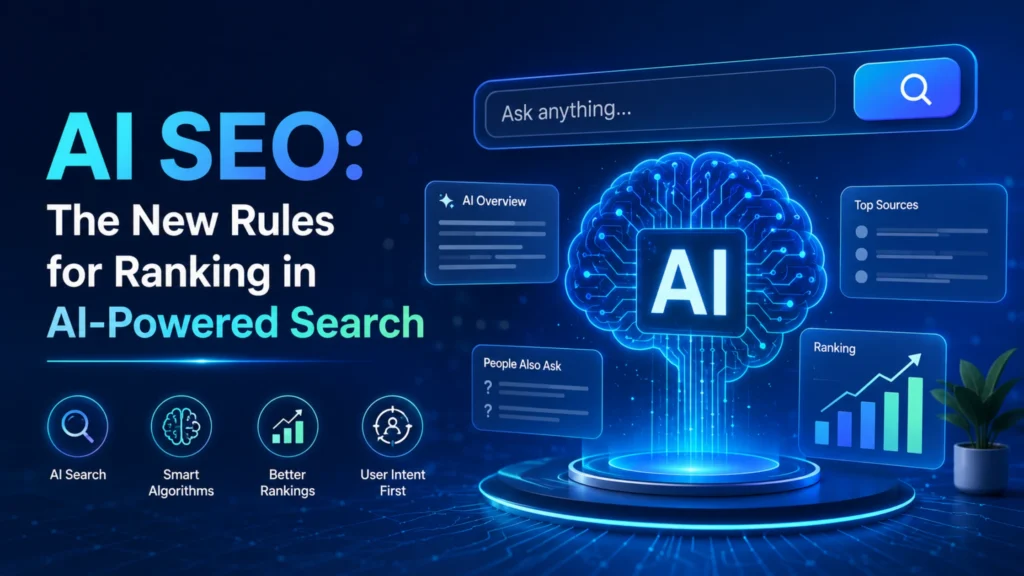
AI SEO: The New Rules for Ranking in AI-Powered Search
Summarize this post
AI SEO refers to the practice of optimizing websites to rank in AI-powered search engines like Google AI Overview, ChatGPT Search, and Perplexity AI. The new rules for ranking in AI-powered search in 2026 focus on demonstrating genuine expertise (E-E-A-T), writing content that directly answers user questions, building strong entity authority, using structured data markup, and ensuring your site is technically fast and crawlable. Traditional keyword stuffing no longer works, AI search engines prioritize content that is helpful, authoritative, and contextually relevant above everything else.
Table of Contents
1.How AI Has Changed Search in 2026
2.What is AI SEO and Why Does It Matter?
3.Rule 1: E-E-A-T is Now Your Most Important Ranking Signal
4.Rule 2: Answer Questions Directly and Completely
5.Rule 3: Build Entity Authority, Not Just Keyword Rankings
6.Rule 4: Optimize for Google AI Overview
7.Rule 5: Semantic SEO Over Keyword Density
8.Rule 6: Structured Data is Now Non-Negotiable
9.Rule 7: Technical Performance Affects AI Visibility
10.Rule 8: Optimize for ChatGPT Search and Perplexity
11.Rule 9: User Signals Matter More Than Ever
12.Rule 10: Content Depth Beats Content Volume
13.Best AI SEO Tools for 2026
14.Final Verdict
If you have noticed your organic traffic behaving differently in 2026, you are not imagining it. Search has changed more in the past 18 months than in the previous decade. Google’s AI Overview now answers millions of queries directly on the search results page. ChatGPT Search has become a genuine competitor to Google. Perplexity AI is pulling citations from websites and presenting synthesized answers instead of a list of blue links.
The old playbook, find a keyword, write 1,000 words around it, build some backlinks, still has a place. But it is no longer enough on its own. The websites winning in AI-powered search today are those that have adapted their strategy to match how AI systems actually understand, evaluate, and cite content.
At CodeFyze, we work with businesses on SEO strategy every day and have been closely tracking how AI-driven search is reshaping visibility and traffic. This guide covers the ten most important rules for AI SEO in 2026 with practical, actionable steps you can apply to your own site.
How AI Has Changed Search in 2026
To understand the new rules, you first need to understand what has actually shifted. Search engines have always used algorithms to rank content, but those algorithms traditionally relied heavily on keyword matching, backlink counts, and on-page signals. AI-powered search engines work differently.
Modern AI search systems use large language models (LLMs) to understand the meaning behind queries not just the words used. They evaluate content based on contextual relevance, topical authority, factual accuracy, and the overall trustworthiness of the source. They synthesize information from multiple sources and present a direct answer, sometimes without the user ever clicking through to a website.
- 58% of Google searches now end without a click due to AI answers
- 3.5x more likely to be cited by AI if your content demonstrates clear expertise
-
68% of marketers say AI SEO optimization is now their top priority in 2026
This shift has profound implications. Getting traffic from search now requires not just ranking on page one, it requires being the source that AI systems trust enough to cite, quote, or recommend. That is a fundamentally different challenge, and it requires a fundamentally different approach.
Key insight: AI search engines do not just rank pages, they evaluate sources. Your goal in 2026 is not just to rank for keywords, but to become a trusted, authoritative source that AI systems recognize as reliable in your topic area.
What is AI SEO and Why Does It Matter?
AI SEO is the practice of optimizing your website and content to perform well in AI-powered search environments, including Google’s AI Overview, ChatGPT Search, Perplexity AI, Microsoft Copilot, and other emerging AI search platforms. It builds on traditional SEO principles but extends them to account for how language models process, evaluate, and cite information.
The distinction matters because AI search systems make decisions differently than traditional ranking algorithms. A traditional search engine might rank your page based on keyword relevance and backlink authority. An AI search engine evaluates whether your content is genuinely helpful, whether it comes from a credible source, whether it answers the full intent behind a query, and whether it is structured in a way the AI can easily parse and cite.
Businesses that ignore AI search optimization in 2026 are not just missing a trend, they are actively losing ground. As AI-generated answers capture more of the search results page, only the most authoritative, well-structured, and genuinely helpful sources will remain visible. The rest will see a steady decline in organic traffic regardless of their traditional SEO metrics.
The 10 New Rules of AI SEO in 2026
1.E-E-A-T is Now Your Most Important Ranking Signal
Google’s E-E-A-T framework: Experience, Expertise, Authoritativeness, and Trustworthiness has always been part of how Google evaluates content quality. In 2026, it has become the primary lens through which AI search systems decide which sources to cite and surface.
AI language models are trained on vast amounts of web content, and they develop an implicit sense of which sources are credible in which topic areas. When Google’s AI Overview or ChatGPT Search assembles an answer, it preferentially draws from sources that have demonstrated consistent, authoritative expertise over time, not just pages that happen to rank well for a particular keyword.
Demonstrating E-E-A-T in 2026 means having real author bylines with verified credentials, publishing content based on genuine first-hand experience, earning mentions and citations from other authoritative sources in your industry, maintaining consistent accuracy across all your published content, and building a clear topical focus rather than trying to cover everything.
For AI for SEO purposes, think of E-E-A-T not as a checklist but as the foundation of your entire content strategy. Every piece of content you publish should clearly communicate who wrote it, why they are qualified to write it, and what direct experience informed it.
Action Steps
- Add detailed author bios with credentials, experience, and social profiles to every article
- Include first-hand experience, case studies, and real data in your content
- Build an About page that clearly establishes your brand’s expertise and history
- Earn mentions in industry publications, podcasts, and authoritative directories
2.Answer Questions Directly and Completely
AI search systems are fundamentally question-answering machines. They scan content looking for direct, clear answers to the queries users submit. Content that buries the answer under three paragraphs of preamble, or that hedges excessively before getting to the point, is far less likely to be surfaced by AI systems than content that answers the question clearly in the first paragraph.
This is why the structure of your content matters as much as the quality of the information it contains. Every piece of content should open with a direct answer to the primary question it addresses, a format sometimes called the “inverted pyramid” in journalism. The most important information comes first, followed by supporting detail, context, and nuance.
For AI SEO optimization, think about the specific question a user is typing or speaking when they find your content. Then make sure the first 100-150 words of your content answer that question clearly and completely. This approach simultaneously improves your chances of appearing in Google AI Overview, featured snippets, and voice search results.
Action Steps
- Start every article with a direct 2-3 sentence answer to the main question
- Use “What is”, “How does”, and “Why” subheadings that mirror real search queries
- Keep paragraphs short and scannable aim for 3-4 sentences maximum
- Add a concise summary box at the top of long-form content
3.Build Entity Authority, Not Just Keyword Rankings
Traditional SEO focused on ranking specific keywords. AI-powered search is built around entities the people, places, concepts, organizations, and topics that AI systems understand as distinct, real-world things. Google’s Knowledge Graph and the language models powering AI search both operate on entity relationships, not keyword frequency.
Entity-based SEO means establishing your brand, your authors, and your core topics as recognized entities in your niche. It means creating comprehensive content hubs that cover a topic from multiple angles, rather than publishing isolated pages targeting individual keywords. It means getting your brand mentioned alongside other recognized entities in your space, through PR, guest content, industry citations, and partnerships.
When an AI search system encounters a query, it maps the query to known entities and then looks for the most authoritative sources associated with those entities. If your website is strongly associated with the entities in your topic area through consistent content, external mentions, and structured data, you become a natural candidate for AI citations.
Action Steps
- Build topic clusters, a pillar page covering a broad topic with linked supporting articles
- Add your organization to Google’s Knowledge Panel via Google Business Profile
- Use consistent entity names (your brand, author names, product names) across all content
- Pursue mentions in Wikipedia, industry wikis, and authoritative directories
4.Optimize Specifically for Google AI Overview
Google AI Overview the AI-generated answer block that now appears at the top of many search results pages, has become one of the most valuable pieces of real estate in search. Appearing in AI Overview does not require ranking #1 for a keyword. Google’s AI draws from multiple sources across the top results, and websites that structure their content correctly can appear in AI Overview even from positions 4, 5, or lower.
Research into AI Overview citations consistently shows that content appearing there tends to be well-structured, directly answers the query, uses clear headings, includes supporting data or examples, and comes from sources with established topical authority. Pages with proper FAQ sections, clear definitions, and step-by-step explanations appear disproportionately often in AI Overview results.
One important nuance: AI Overview optimization is not about gaming a system. It is about making your content genuinely more useful and easier for both AI and humans to parse. The same qualities that make content good for AI Overview clarity, directness, structure, authority also make it more valuable to real users
Action Steps
- Include a clear definition or direct answer in the first paragraph of every article
- Add FAQ sections with questions phrased exactly as users would search them
- Use numbered lists and step-by-step formats for process-based content
- Include supporting statistics and cite credible sources to build trust signals
5.Semantic SEO Over Keyword Density
Semantic SEO is the practice of optimizing content for meaning and context rather than specific keyword repetition. AI search systems understand language semantically they recognize that “best running shoes,” “top sneakers for jogging,” and “what shoes should I buy for marathon training” are all variations of the same underlying intent. Repeating the same phrase twenty times does not make your content more relevant; it makes it look spammy.
Effective semantic SEO in 2026 means covering a topic comprehensively addressing related questions, using natural language variations, including relevant subtopics, and building content that satisfies the full depth of user intent around a topic. NLP (Natural Language Processing) keywords terms that AI systems associate with a topic even when not explicitly searched should appear naturally throughout your content as part of genuine, thorough coverage.
A simple test: read your content aloud. If it sounds natural and flows like something a knowledgeable person would actually say, it is probably well-optimized for semantic search. If it sounds like a list of keywords stitched together with filler sentences, it will perform poorly with AI search systems regardless of its traditional SEO metrics.
Action Steps
- Research related questions using “People Also Ask” and use them as subheadings
- Use natural synonyms and topic-related terms instead of repeating the same keyword
- Cover the full topic don’t stop at surface-level information
- Run your content through an NLP analysis tool to check semantic coverage
6.Structured Data is Now Non-Negotiable
Structured data specifically Schema.org markup implemented as JSON-LD tells search engines and AI systems exactly what your content is about in a machine-readable format. In 2026, structured data has moved from a nice-to-have technical enhancement to a fundamental requirement for serious AI SEO performance.
AI systems use structured data to confidently extract information from your pages, your organization’s name, your authors’ credentials, article publish dates, product details, FAQs, how-to steps, reviews, and more. Pages with comprehensive structured data are significantly more likely to be cited in AI Overview and other AI search features because the information can be extracted with high confidence and accuracy.
For most websites, the highest-priority schema types to implement are Organization (brand identity and contact info), Article or BlogPosting (content metadata and authorship), FAQPage (for Q&A content), HowTo (for step-by-step guides), and BreadcrumbList (for site structure). Each of these directly supports how AI systems understand and categorize your content.
Action Steps
- Implement Organization schema with your brand name, logo, and social profiles
- Add Article schema with author details, publish date, and category to every blog post
- Use FAQPage schema on any page with question-and-answer content
- Validate all schema using Google’s Rich Results Test tool
7.Technical Performance Directly Affects AI Visibility
AI search systems rely on crawling and indexing your content just as traditional search engines do. If your website is slow to load, has crawl errors, blocks important pages from being indexed, or has a poor mobile experience, AI systems simply cannot access or evaluate your content reliably. Technical SEO is therefore not separate from AI SEO, it is the infrastructure that makes everything else possible.
In 2026, the technical benchmarks that matter most for AI search optimization are Core Web Vitals (LCP under 2.5s, INP under 200ms, CLS under 0.1), a clean crawl architecture with no orphaned pages or broken internal links, proper use of canonical tags to avoid duplicate content confusion, and an up-to-date XML sitemap submitted to Google Search Console.
Page speed matters particularly for AI visibility because Google’s crawler has a crawl budget for each site. Slow pages consume more of that budget and result in less frequent crawling which means your newest, most relevant content may not be indexed quickly enough to appear in AI responses to current queries.
Action Steps
- Run a Core Web Vitals audit using Google Search Console and PageSpeed Insights
- Fix all crawl errors shown in Google Search Console immediately
- Ensure your sitemap is current and submitted to all major search engines
- Use a content delivery network (CDN) to improve global load times
8.Optimize for ChatGPT Search and Perplexity AI
Google is no longer the only AI search engine worth optimizing for. ChatGPT Search OpenAI’s web-connected search feature and Perplexity AI together account for a meaningful and rapidly growing share of AI-assisted search queries in 2026. Businesses that optimize only for Google are leaving an increasingly significant traffic source on the table.
The good news is that the same principles that make content perform well in Google AI Overview also help with ChatGPT Search and Perplexity clear authorship, direct answers, structured content, credible sourcing, and genuine expertise. However, there are some additional considerations. ChatGPT Search tends to favor content from sources that are well-represented in its training data and have strong domain authority. Perplexity actively displays citations, making it particularly valuable for brands that want to be seen as credible sources.
Getting cited by Perplexity in particular requires content that is factually precise, well-sourced, and covers a topic with enough depth and accuracy that the AI system can confidently use it as a reference. Think of your content as a source that researchers and journalists would cite that is the standard AI search systems are applying.
Action Steps
- Include clear citations and references to authoritative external sources in your content
- Publish original research, surveys, or data that other AI systems will want to cite
- Ensure your domain has a strong backlink profile domain authority still influences AI citations
- Monitor your brand mentions in Perplexity and ChatGPT Search responses regularly
9.User Signals Matter More Than Ever
AI search systems are increasingly sophisticated at detecting how users actually respond to content not just whether a page ranks for a keyword, but whether visitors find it genuinely useful when they arrive. Metrics like time on page, scroll depth, return visits, and low bounce rates send strong signals to AI ranking systems that content is delivering real value.
This means that pure SEO optimization disconnected from user experience is a losing strategy in 2026. Content that ranks through technical tricks but fails to engage real readers will see declining AI visibility over time as behavioral signals accumulate. Conversely, content that genuinely helps users, that they read in full, share, bookmark, and return to, will see increasing AI visibility as those positive signals reinforce its authority.
The practical implication is that your content strategy and your user experience strategy are now inseparable. Every investment in making your content more useful, more readable, better structured, and more visually clear is simultaneously an investment in AI for SEO performance.
Action Steps
- Monitor scroll depth and time on page in Google Analytics, low scores signal content problems
- Add internal links to keep users exploring your site after reading an article
- Use visuals, tables, and formatting to improve content readability and engagement
- Regularly update older content to keep it accurate and relevant freshness improves return visits
10.Content Depth Beats Content Volume
One of the clearest shifts in AI-powered search is the devaluation of thin, high-volume content strategies. Publishing fifty shallow articles targeting fifty different keywords, a popular tactic in early SEO produces very little AI visibility in 2026. AI search systems are remarkably good at detecting whether content covers a topic with genuine depth or merely skims the surface to hit a word count target.
The most effective content strategy for AI search is to publish fewer pieces but make each one substantially better than anything else available on that topic. Cover the topic from multiple angles. Address follow-up questions. Include real examples, data, and case studies. Update the content regularly as the topic evolves. This depth-first approach builds the topical authority that AI systems use to decide which sources to trust and cite.
At CodeFyze, we have seen clients achieve significant AI search visibility improvements not by publishing more content, but by comprehensively improving their existing content adding depth, fixing factual gaps, improving structure, and adding proper schema markup. Quality compound over time in AI search in a way that quantity simply does not.
Action Steps
- Audit your existing content and identify your top 10 pages make each one significantly better
- Aim for content that answers not just the main query, but all reasonable follow-up questions
- Add original data, examples, or expert quotes that competitors cannot easily replicate
- Set a quarterly content review schedule to keep key pages fresh and comprehensive
Best AI SEO Tools for 2026
The right tools make AI SEO implementation significantly more manageable. Here are the most valuable tools available right now:
| Tool | Primary Use | Best For | Price |
|---|---|---|---|
| Semrush | Keyword & content research | All-in-one SEO | $139+/mo |
| Surfer SEO | Content optimization | Content teams | $89+/mo |
| Clearscope | Semantic content grading | Content writers | $170+/mo |
| Screaming Frog | Technical SEO audit | Technical audits | Free / £149/yr |
| Google Search Console | Performance monitoring | All websites | Free |
| Ahrefs | Backlinks & authority | Link building | $129+/mo |
CODEFYZE RECOMMENDATION
Start with What You Can Control
You do not need expensive tools to start winning at AI SEO. Google Search Console (free), a focus on genuine content quality, proper schema markup, and consistent E-E-A-T signals will move the needle significantly before you invest in premium tooling. Build the right habits first, then layer in tools to scale.
Final Verdict
AI SEO in 2026 is not a departure from good SEO, it is an elevation of it. The businesses winning in AI-powered search are those that have always done the fundamentals well: publishing genuinely helpful content, building real authority in their niche, maintaining a technically sound website, and earning the trust of their audience over time. What has changed is the standard. AI search systems have raised the bar, and content that was “good enough” for traditional search is no longer sufficient. The opportunity is significant for businesses willing to invest in genuine expertise, content depth, and proper technical optimization. Those that do will find that AI search becomes one of their most powerful and sustainable sources of visibility not despite the new rules, but because of them.
CodeFyze: SEO & Digital Strategy
Need Help with Your AI SEO Strategy? At CodeFyze, we help businesses build AI-ready content strategies, implement proper structured data, and optimize for visibility in Google AI Overview and beyond. Whether you need a full SEO audit or an ongoing AI search optimization strategy, our team is ready to help you rank in the new era of search.
On this page
Related Topics
< FAQS >
No Confusion. Just Clarity.
Get quick, clear answers to everything you need to know about working with us.
- What is AI SEO and how is it different from traditional SEO?
AI SEO optimizes websites for AI-powered search platforms like Google AI Overview, ChatGPT Search, and Perplexity AI. Unlike traditional SEO, AI SEO focuses on content quality, E-E-A-T, semantic relevance, structured data, and direct answers rather than keyword density alone.
- How do I get my content featured in Google AI Overview?
To appear in Google AI Overview, answer the main question clearly at the beginning of your content, use descriptive headings, add FAQ schema, include credible sources, and demonstrate strong E-E-A-T. AI Overview selects content based on relevance, authority, and clarity, not just rankings.
- Does keyword research still matter for AI SEO?
Yes. Keyword research remains important for AI SEO, but the focus is on search intent, related topics, and user questions instead of exact-match keywords. Creating comprehensive, semantically relevant content improves visibility in AI-powered search results.
- How does E-E-A-T affect AI search rankings?
E-E-A-T plays a major role in AI search rankings. Content that demonstrates real experience, expertise, authority, and trustworthiness is more likely to be cited by Google AI Overview and other AI search engines.
- What is the role of structured data in AI SEO?
Structured data helps search engines and AI systems understand your content more accurately. Using Schema.org markup, such as Article, FAQPage, Organization, and HowTo schema, can improve your chances of appearing in AI-generated search results.
- Is AI-generated content bad for AI SEO?
No. AI-generated content is acceptable if it is accurate, original, and reviewed by human experts. High-quality content with genuine insights and strong E-E-A-T signals performs better than low-quality, unedited AI-generated content.

Related Blog Posts
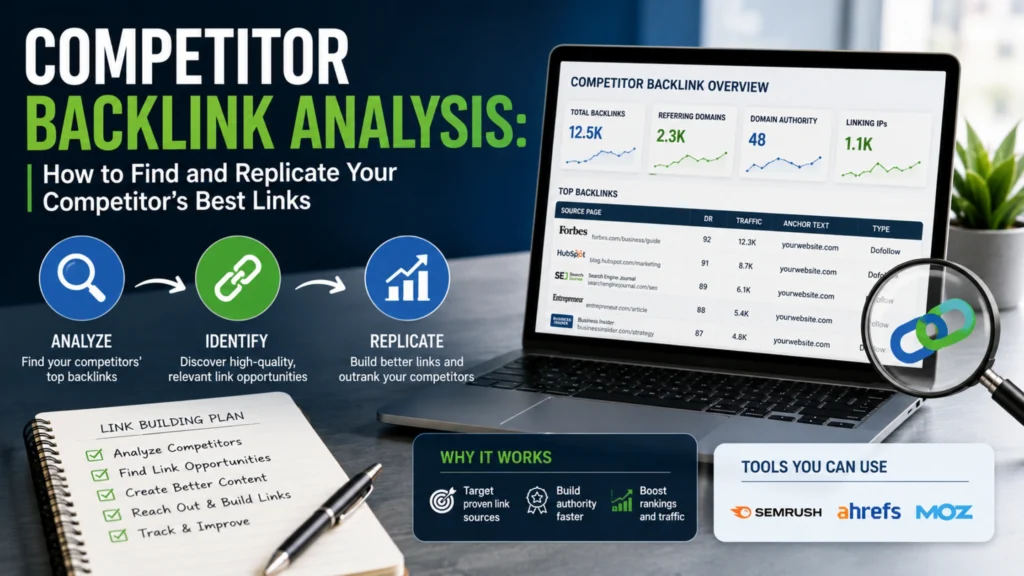
Competitor Backlink Analysis: How to Find and Replicate Your Competitor’s Best Links
Competitor backlink analysis is the process of studying where your competitors get their backlinks from…

CodeFyze
July 30, 2026
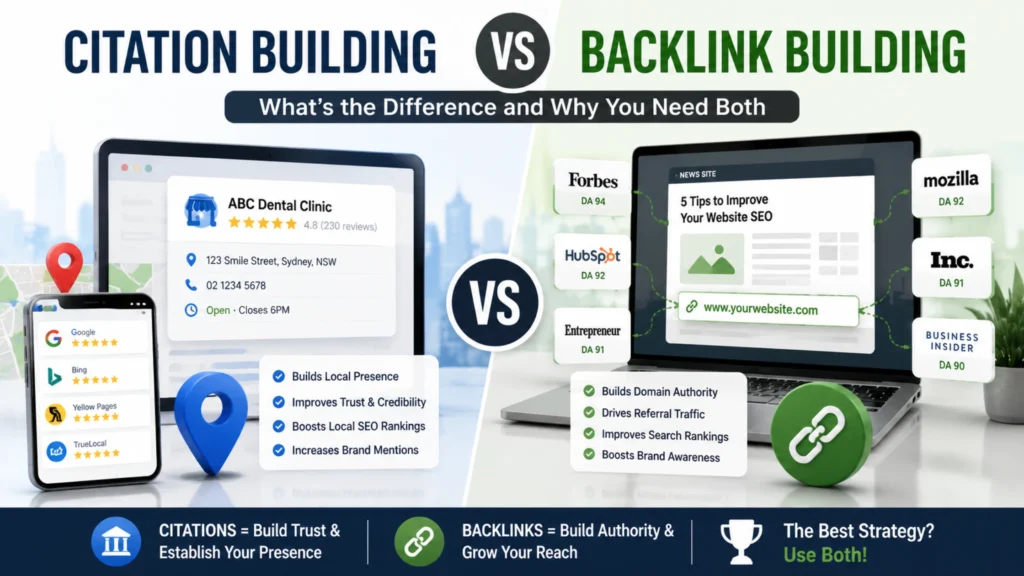
Citation Building vs Backlink Building: What’s the Difference and Why You Need Both
Citation building involves listing your business’s name, address, and phone number (NAP) consistently across online…
CodeFyze
July 29, 2026

HARO/Journalist Outreach: Getting Backlinks from News and Media Sites
HARO link building is the process of earning high-authority backlinks by responding to journalist queries…
CodeFyze
July 29, 2026
Questions? Reach us on Whatsapp +971 55 265 4401 Or Email info@codefyze.com
Questions? Reach us on Whatsapp +44 798 504 1813 Or Email info@codefyze.com
< recent blogs >
Latest Insights & Articles
Explore our latest articles, tips, and insights all in one place.
#BacklinkAnalysis, #CodeFyze, #CompetitorSEO, #DigitalMarketing, #LinkBuilding, #OffPageSEO, #SemrushSEO, #SEOStrategy, #SEOTools
Competitor Backlink Analysis: How to Find and Replicate Your Competitor’s Best Links
Competitor backlink analysis is the process of studying where your competitors get their backlinks from…

CodeFyze
July 30, 2026
#BacklinkBuilding, #CitationBuilding, #CodeFyze, #DigitalMarketing, #GoogleBusinessProfile, #LocalSEO, #NAPCitations, #SEOStrategy
Citation Building vs Backlink Building: What’s the Difference and Why You Need Both
Citation building involves listing your business’s name, address, and phone number (NAP) consistently across online…
CodeFyze
July 29, 2026
#BacklinkStrategy, #CodeFyze, #ContentMarketing, #DigitalPR, #EEAT, #HARO, #JournalistOutreach, #LinkBuilding
HARO/Journalist Outreach: Getting Backlinks from News and Media Sites
HARO link building is the process of earning high-authority backlinks by responding to journalist queries…
CodeFyze
July 29, 2026